Several classes and free lectures will be offered during the month of October. Visit our main site TCMWorld.org/events for full details
Classes
Available Classes
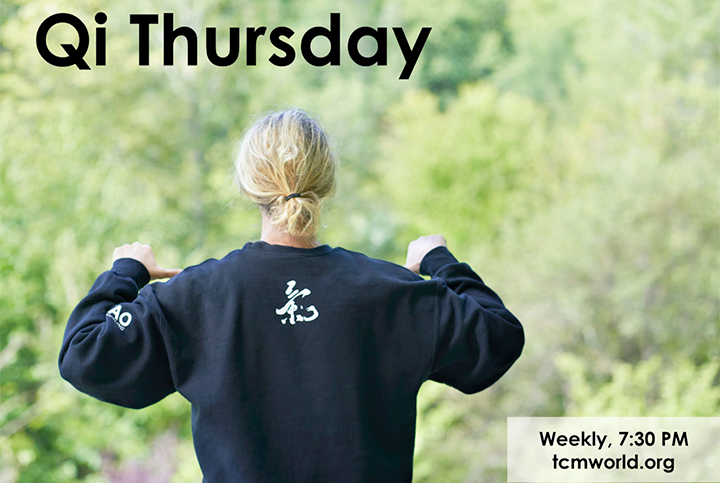
Qi Thursday, A Free Practice
Join us once a week on Thursday’s at 7:30 PM (ET) to develop a steady Qigong practice. We hold a meditative posture with hundreds of people for 30 minutes. While that sounds impossible, our time together has helped others establish a steady practice. Start small, we’ll teach you how.
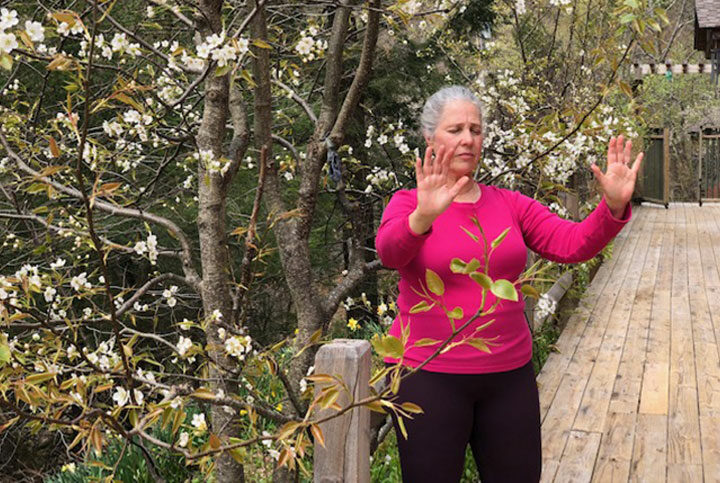
Series of 3 Classes September 11, 18, 25, 2024
Practice 7 specific Qigong movements to increase energy flow in the breast area. Learn what style of eating is helpful to improve digestion and tips for overall energy balance. Once learned, we encourage you to share these postures with other women. Help yourself, then help others! That’s our goal.
Message from the Instructors
Learning how to properly practice these Qigong movements is key to successfully sharing the practice.
Our deepest desire is to share this ancient healing wisdom with women everywhere. Normally, Qigong movements would not be taught in such a short period of time, however, with the growing incidence of breast cancer, it is imperative that passionate people demonstrate these movements to women.
Please note, this course does not qualify you as a Qigong instructor, rather an ambassador of goodwill able to share the teachings.
In 2006, the W.K. Kellogg Foundation funded this project which allowed TCMWF to produce and disseminate instructional DVDs. Today we continue to offer these materials as part of our training program.